
Search Pitt County Court Records Online
The main official search path for Pitt County court records is the N.C. eCourts Portal. Pitt County case files are not kept in a county-run district clerk portal. They belong to North Carolina's unified court system, so the Portal is the public entry point for many Superior Court and District Court records, hearings, case events, and public case summaries. The local Pitt County Judicial Branch page also routes users to court dates, payment links, jury service, and county notices.
Start with the most exact identifier you have. A case number is best for copy requests and reduces false matches. A full party name can work, but common names may return results from other counties unless the location filter is set to Pitt County or the Pitt County Courthouse. Citation numbers are useful for traffic cases. If the record is old, sealed, confidential, or not digitized, the online search may not show the full file, and the Pitt County Clerk of Superior Court remains the record office for courthouse access.
- Open the public Portal and choose the case search or public search function.
- Enter a case number, party name, business name, or citation number.
- Use county, location, case category, filing date, or hearing date filters when they are available.
- Open the matching case and review the case number, case title, court level, status, events, parties, hearings, and financial entries.
- Contact the Pitt County Clerk of Superior Court for certified copies, older paper files, documents not visible online, or records that require clerk review.
For public search training, the North Carolina Judicial Branch maintains Portal training and resources for public users. Those resources are helpful when a search returns too many results, when a user needs to understand registration limits, or when the case summary is visible but the underlying document image is not.
Pitt County Court Records Search Fields
The Portal fields are designed for statewide court records, so Pitt County searchers should narrow the location whenever possible. A broad name search can show cases from across North Carolina. A narrow case number search can skip that problem, but only if the number is entered in the format used by the court file. Date fields help separate active hearings from older disposed matters. Citation fields are most useful for traffic cases, while case category filters can separate criminal court records from civil, domestic, probate, and traffic records.
| Field Label | Type | Required | Notes / Format |
|---|---|---|---|
| Smart Search / Search | Text | No | Use a party name, business name, case number, or citation-style input depending on the selected search. |
| Case Number | Text | No | Best for exact matches and courthouse copy requests. |
| Party Name | Text | No | Use full first and last name, middle initial, or business name when known. |
| Citation Number | Text | No | Useful for Pitt County traffic court records and citation dockets. |
| County / Location | Dropdown or filter | No | Choose Pitt County or Pitt County Courthouse where the Portal exposes that filter. |
| Case Category / Case Type | Dropdown or filter | No | May include civil, criminal, domestic, estates, special proceedings, traffic, or related categories. |
| Filing Date From / To | Date | No | Limits results by the date the case or filing entered court records. |
| Hearing Date From / To | Date | No | Useful for docket and calendar checks before an appearance. |
Types of Pitt County Court Records
Pitt County court records come from both Superior Court and District Court. Superior Court is the higher trial court for felony criminal cases, higher-value civil cases, appeals from District Court, and special proceedings. District Court handles misdemeanors, traffic infractions, many domestic matters, juvenile matters, small claims appeals, and lower civil cases. Magistrates handle small claims, summary ejectments, warrants, bonds, first appearances, and some other early case functions. The Clerk of Superior Court maintains the records, indexes, judgments, and filings for the trial court system.
The county also has records that look court-related but belong somewhere else. The Pitt County Register of Deeds handles marriage licenses, recorded land documents, assumed names, and certain vital-record copies. The Pitt County Sheriff's Office and Detention Center maintain jail, charge, and custody tools. Those county tools help with arrest-to-charge research, but they do not replace the court case record once a matter is filed with the Clerk of Superior Court.
- Civil court records can include complaints, summonses, answers, motions, orders, judgments, liens, executions, and post-judgment collection filings.
- Criminal court records can show charging documents, court dates, pleas, motions, bond conditions, dispositions, sentencing terms, fines, costs, and probation terms.
- Family and domestic records can include divorce, custody, child support, domestic violence protective orders, equitable distribution, and related filings.
- Probate and estate files can include wills, applications for letters, inventories, accountings, guardianship records, creditor notices, and clerk orders.
- Traffic records can show citations, court dates, waiver or payment status, dispositions, fines, costs, and failure-to-appear entries.
- Small claims and eviction records can include complaint forms, service entries, magistrate judgments, appeal notices, and writs of possession.
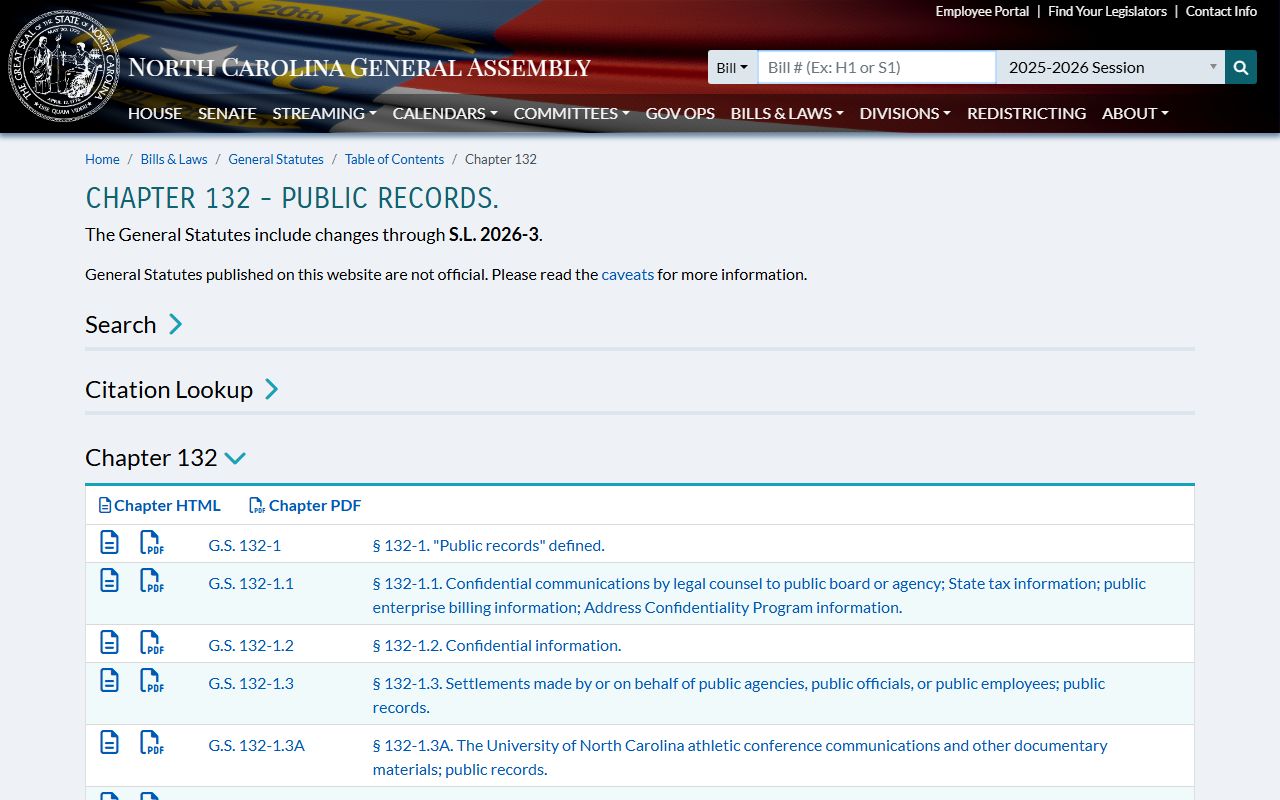
The North Carolina Public Records Law chapter is one source for the public records framework used across state and local government. Court access also depends on judicial rules, court orders, and statutes that apply to specific records.
The official Chapter 132 public records law source is pictured in the manifest image below.
What Pitt County Court Records Show
A case result is not just a name match. It is a structured court record with fields that show what was filed, where it was filed, who is involved, what events have occurred, and whether the case remains pending or has been disposed. For Pitt County court records, the court level matters because Superior Court and District Court handle different types of cases. The case status also matters. Open, pending, disposed, closed, appealed, sealed, and inactive values are case-level markers, not proof of fault, guilt, or liability.
| Field | What It Shows |
|---|---|
| Case Number | The court file number assigned by the clerk or eCourts. Use the exact number for copy requests. |
| County / Location | Pitt County or Pitt County Courthouse when the case is tied to the local court location. |
| Court Level | Superior Court, District Court, magistrate, small claims, clerk, estates, or special proceedings context. |
| Case Type | Criminal, civil, domestic, estate, special proceeding, small claim, juvenile, traffic, or infraction category. |
| Parties | Plaintiff and defendant, State and defendant, petitioner and respondent, decedent and estate, or guardian and ward. |
| Docket Entries | The chronological record of filings, hearings, notices, continuances, orders, judgments, dispositions, service entries, and payments. |
| Documents | Pleadings, motions, orders, judgments, warrants, indictments, citations, inventories, wills, applications, or notices when available. |
| Financials | Court costs, fines, restitution, civil judgment amounts, bond information, payments, balances, or related fees when shown. |
| Hearings | Court date, time, courtroom, session, hearing type, and judicial officer when the Portal displays those details. |
For a plain-language court records overview, the North Carolina Judicial Branch maintains an official court records help topic.
Pitt County Court Records Access Laws
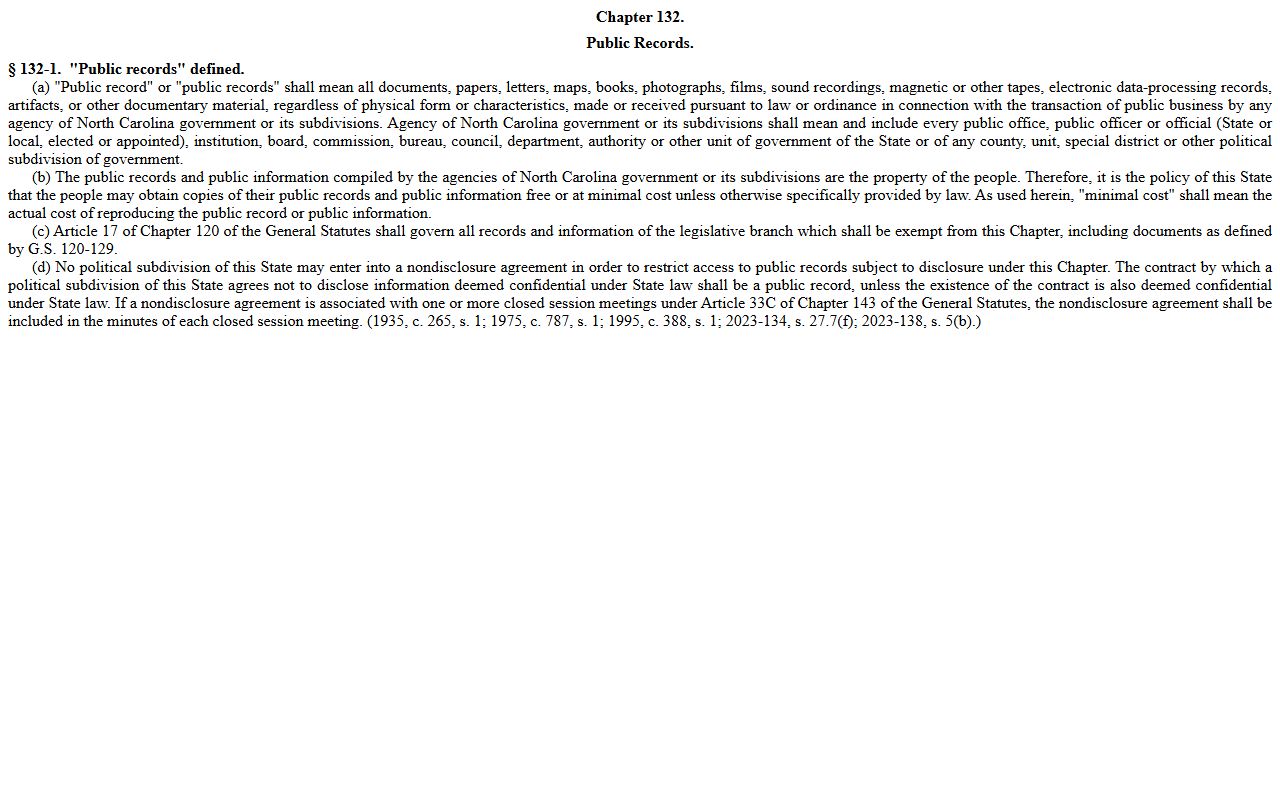
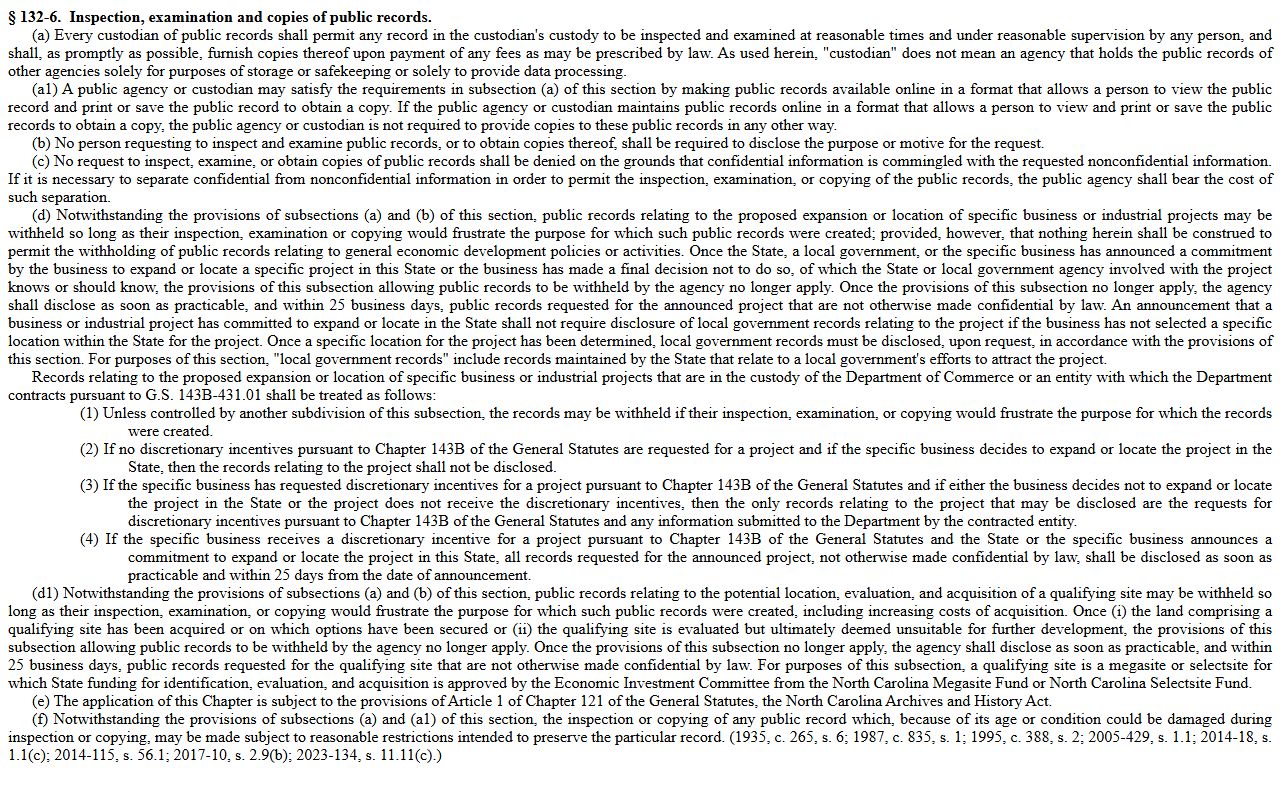
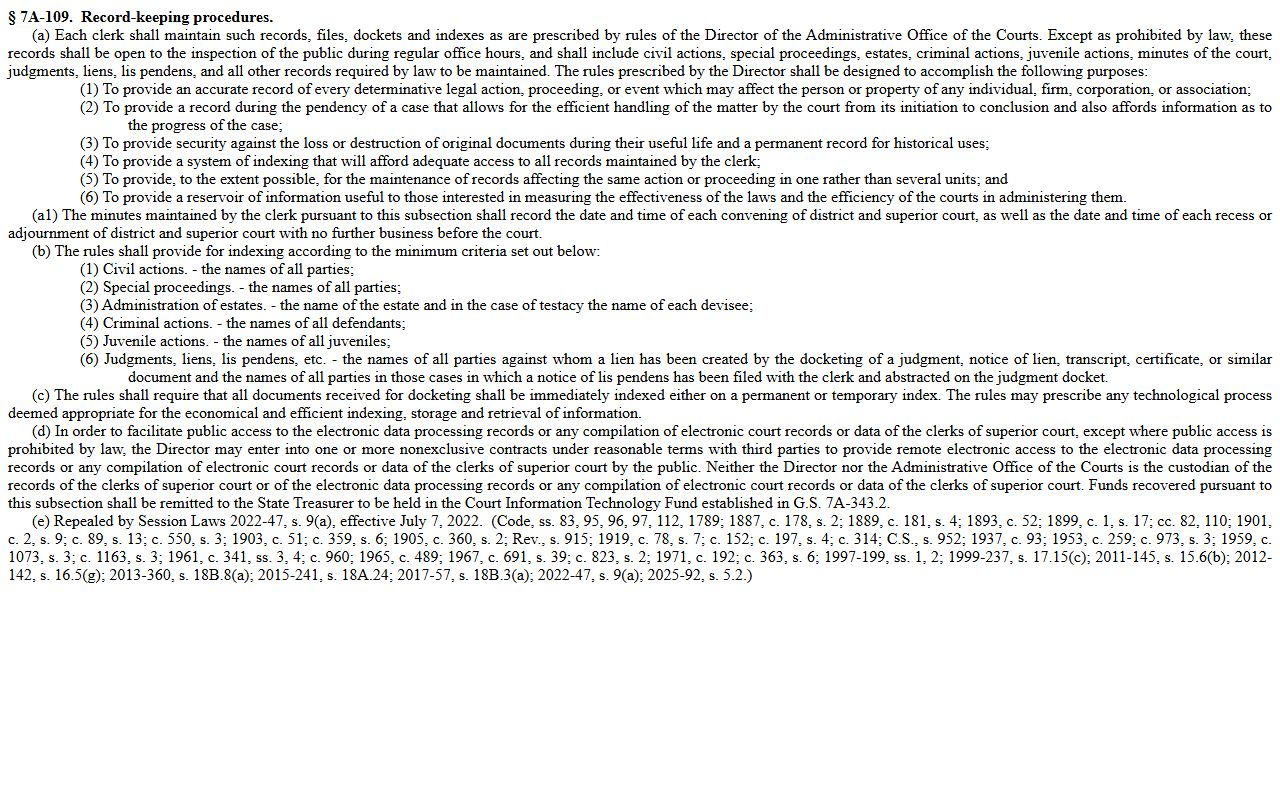
North Carolina's public access framework starts with the idea that public records are open unless a law, court rule, or order restricts them. G.S. 132-1 defines public records broadly. G.S. 132-6 addresses inspection and copies at reasonable times and under reasonable supervision. Court files add another layer because the Clerk of Superior Court maintains judicial records under court rules and statutes, including G.S. 7A-109, which concerns records, dockets, indexes, and minutes kept by clerks.
Requests should be routed to the office that holds the record. Court-file questions, certified copies, estates, judgments, older files, and nonpublic access questions go to the Pitt County Clerk of Superior Court. County department or sheriff administrative records may use Pitt County's public-records request channel, but criminal investigation records have special limits under G.S. 132-1.4. A public online result is not a certified copy, and a missing online result does not always mean no record exists.
Note: Certified Pitt County court records should be requested from the Clerk of Superior Court, not from a screenshot of an online result.
The manifest images below show the official statute sources for G.S. 132-1, G.S. 132-6, and G.S. 7A-109.
Inspection and copy access are addressed separately in the official G.S. 132-6 statute source.
The Clerk of Superior Court recordkeeping role is grounded in G.S. 7A-109.
Restricted Pitt County Court Records
Some Pitt County court records are public in summary form but limited in document access. Others are not public lookup material at all. Juvenile delinquency and juvenile abuse, neglect, or dependency records are confidential under Chapter 7B. Adoption files, many mental-health and involuntary commitment proceedings, sealed records, and expunged criminal records are restricted. Public copies may also redact Social Security numbers, financial account numbers, protected addresses, minor identifying details, and other sensitive data.
Sealed and expunged records should be treated carefully. A sealed case is hidden from general public access by law or order. An expunged case is removed from public access after an eligible petition is granted under Chapter 15A, Article 5. Pitt County residents seeking expunction information should use the official Judicial Branch expunction materials and forms, then file in the county where the charge occurred if the matter qualifies. Expunction is not automatic because a charge was dismissed.
- Docket
- The chronological list of filings, hearings, orders, and events in a court case.
- Disposition
- The outcome of a case, charge, motion, or event.
- Judgment
- The final or enforceable decision entered by the court.
- Sealed
- Hidden from ordinary public access by statute or court order.
- Expunction
- A court-ordered removal of eligible criminal records from public access.
Pitt County Court Record Requests
Use the courthouse when the Portal does not provide enough information, when a certified copy is needed, or when the file predates online access. Bring the case number if known, the party names, case type, approximate filing date, and a clear description of the document requested. Certified copies, file-stamped copies, older files, estate materials, and sealed-access questions are clerk functions. Court staff can identify the record channel, but they cannot provide legal advice about what a record means or how to use it in a case.
Pitt County Clerk of Superior Court
Pitt County Courthouse
100 West 3rd Street
Greenville, NC 27835
252-695-7100
Use the official court page for current hours and courthouse notices.